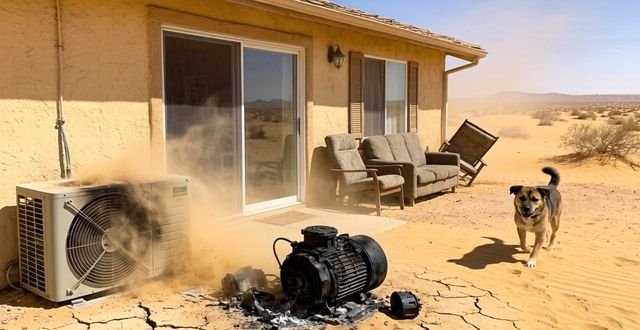
Last spring, one of my tenants called me in a panic. A freak windstorm had ripped a chunk of siding off the duplex, and water was pouring into the downstairs bedroom. I figured my landlord policy would handle it. Guess what? The adjuster said wind damage was “technically covered,” but the resulting water intrusion fell under a flood exclusion. I learned that lesson the hard way.
You probably bought landlord insurance thinking you were all set. Fire, lightning, maybe a tree falling through the roof. But have you really looked at what counts as a disaster? Most standard policies separate perils into neat little boxes. Wind and hail go in one box. Volcanic eruption,sure, that’s in there too. But then you’ve got flood and earthquake standing outside like they don’t belong. They don’t. Those need separate riders or entirely different policies.
Let’s talk about real life. A tenant’s dog scratches at the back door so much it actually loosens the frame. That’s not a disaster. But when a flash flood sends three inches of muddy water across your brand new laminate floors, that is a disaster. And your landlord insurance, the basic one, will look at those floors and say sorry, not our problem. You need flood coverage from the federal program or a private carrier. Most new landlords don’t realize that until they’re holding a wet mop.
What about earthquakes? I have a buddy who owns a fourplex in California. He thought his policy included earth movement. Nope. When a small quake cracked the foundation last year, he had to pay forty grand out of pocket. Now he adds the earthquake endorsement every single renewal. It costs extra, sure. But so does losing an entire building.
Here’s something they don’t tell you in those glossy insurance brochures. Disasters don’t arrive one at a time. A hurricane brings wind, then rain, then storm surge, then flooding from a broken levee. Your policy might cover the wind but not the water. The adjuster will literally stand there and say, “The shingles blew off, that’s covered. The ceiling collapsed because of rain, that’s not.” You end up arguing about what caused what while your property sits there rotting.

I started asking other landlords in my local investment group how they handle this. Some just accept the gaps and self-insure for flood or quake. Others buy a comprehensive disaster package that covers just about everything except war and nuclear accident. The smart ones review their declarations page every year before storm season. They also check if their tenants have renters insurance. That doesn’t protect the building, but it covers the tenant’s stuff and gives you liability backup if someone’s laptop gets fried by a lightning surge.
Have you ever read the “exclusions” section of your policy? Sit down with a cup of coffee and actually go through it. You will see words like “earth movement,” “surface water,” “seepage,” “mudflow.” Those are the silent killers. One landlord I know had a slow leak from a broken pipe after a freeze. That turned into mold. His policy said freeze damage was covered but mold remediation was not unless it came from a “covered peril” that happened suddenly. The freeze was sudden, but the mold took two weeks to grow. Denied.
So what do you actually do? First, call your agent. Not the 800 number. A real human who knows your name. Ask them to spell out exactly which natural disasters are included. Write it down. Second, look at flood maps for your rental properties. Even if you’re not in a high risk zone, one heavy rain can change everything. Third, consider an umbrella policy that adds another layer of disaster protection. It’s not expensive, maybe two or three hundred a year, but it can cover the gaps that your landlord insurance leaves open.
I still own that duplex. After the windstorm claim got partially denied, I added a separate flood policy for both units. Cost me about six hundred annually. Last month, a different tenant left a window open during a thunderstorm and water soaked the carpet. That one was on them, because their renters policy had a water backup rider. But the lesson stuck. Never assume. Always read the fine print. And if you have a pet clause in your lease, make sure your disaster coverage includes damage caused by frightened animals. A scared dog can tear through drywall fast as any tornado.