Listen, if you’re dipping your toes into the short term rental game, you’ve probably already realized your standard home policy isn’t going to cut it. Maybe you’ve got a spare room you list on Airbnb for the big summer festival, or perhaps you’re furnishing your entire place while you travel for six months. Whatever the reason, the moment money changes hands for a bed, your insurance situation gets weird. And expensive. And frankly, a little annoying.
Let’s rewind to 2010. Back then, the idea of “temporary rentals” was mostly just a sublet or a vacation beach house. Fast forward to now, and we’ve got a whole economy built on thirty day bookings. But here’s the trap so many new landlords fall into. They assume their existing dwelling policy, the one that covers their own sneakers in the closet,will magically cover a rotating cast of strangers. It won’t. I learned this the hard way when a buddy of mine listed his condo for a three week lease. The tenant left the sliding door open during a rainstorm. Water damage everywhere. His claim was denied flat out because the insurer classified it as a “business use” commercial activity. He was out nearly eight grand.
So what exactly are you shopping for when you look for landlord insurance for temporary rentals? Don’t just grab the cheapest annual policy. Those are built for long term tenants, the ones who stay for a year and pay you on the first. A temporary rental has different risks. You’ve got turnover every few weeks, different keys, different Wi Fi passwords, and way more wear and tear on the floorboards. Your basic landlord policy might cover a broken toilet, but it usually excludes theft by a guest or damage from a party that someone threw on a Tuesday night.
The smart money looks for a hybrid policy. Some insurers now offer a short term rental endorsement that you bolt onto a standard landlord plan. Think of it like adding collision coverage to a rental car. It costs more per month, obviously, but you are buying protection against the chaos of the calendar. Another option is the niche provider. There are companies out there that specifically underwrite for vacation rentals and corporate housing. They understand that your guest might check in at 11 PM on a Friday and check out before dawn on Monday. Their claims adjusters don’t look at a three night booking and immediately suspect fraud.

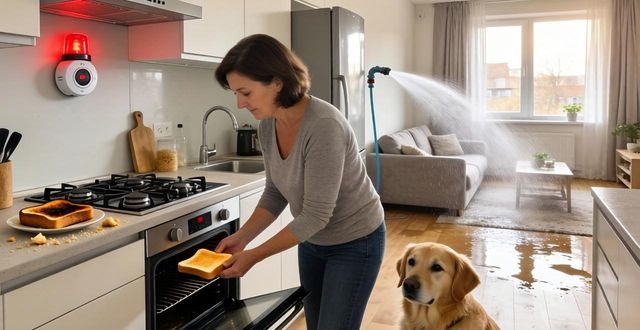
Be honest with yourself about the real hazards. It isn’t always the wild college kid breaking a lamp. More often, it’s the slow drip from a washing machine that a guest overloaded because the manual was in a drawer. Or a guest burns toast, sets off the building sprinklers, and now three floors below you are dealing with water stains. A temporary rental policy usually includes loss of income coverage specifically for these short stays. Regular landlord insurance might pay you for the two months it takes to fix the drywall. But a temporary rental plan understands that losing two weekends of bookings is a different math problem.
I see a lot of new hosts try to save two hundred bucks a year by skipping this. They cross their fingers and rely on the platform’s “host guarantee.” Please, calm down on that. Those platform guarantees are marketing tools, not insurance. They are full of loopholes, deductibles, and exclusions for cash transactions, pet damage, and anything that looks like normal wear and tear. Try filing a claim for a stained sofa after a guest brought their dog. You’ll be on the phone for six hours.
The bottom line is that the market has finally caught up with the way we actually live. You can find a solid temporary rental policy without remortgaging the house. Call an independent agent who does this every day. Tell them exactly the truth: three months on, two weeks off overseas, hosting for the local golf tournament. The price difference between a basic landlord insurance for temporary rentals versus a commercial policy is manageable if you shop around every twelve months. Just don’t be the person who closes escrow, gets the keys, and then drives straight to the hardware store without checking their declarations page first. That rainstorm is coming. It always does.