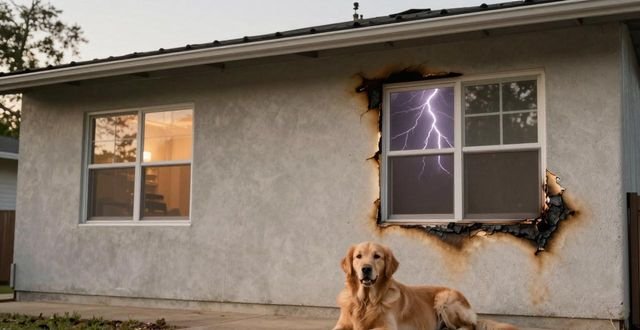
As the old adage goes, “An ounce of prevention is worth a pound of cure.” This timeless wisdom rings especially true for property owners navigating the often murky waters of landlord protection policies. You’ve poured your heart, soul, and savings into that rental property. It’s more than bricks and mortar; it’s a financial cornerstone, a legacy in the making. Then, the unthinkable flickers on the horizon—a question that can turn a rock-solid investment into ash: does your landlord insurance truly shield you from the ravages of a fire? Let’s pull back the curtain on this critical coverage and see what lies beneath the standard policy language.
When you first secure a landlord policy, the language can seem dense, filled with perils and exclusions that require a decoder ring. It’s easy to assume comprehensive protection is a given. But is it? The stark reality is that fire coverage is not a monolithic block. A standard landlord insurance policy, commonly referred to as a dwelling fire policy or a DP-3 form, typically includes fire as a named peril. This seems straightforward, yet the devil, as they say, is in the microscopic details. The protection encompasses the physical structure itself—the dwelling. Should a blaze originate from a faulty tenant appliance or a lightning strike, the policy is designed to respond, covering the costs to rebuild or repair the property to its pre-loss condition. This is the foundational layer, the safety net your mortgage lender rightly insists upon.
However, herein lies a crucial point of contention many landlords discover only after disaster strikes. The bricks and mortar are one thing, but what of the contents within? A common misconception is that a landlord’s policy automatically extends to a tenant’s personal possessions. It does not. Your policy covers the building and any furnishings or appliances you, as the owner, provided. That sleek refrigerator, the washer and dryer set, the tasteful living room sofa—these are typically included under the policy’s personal property coverage for landlords. Your tenant’s belongings, however, are their own responsibility to insure through a renter’s policy. This distinction is paramount and forms the bedrock of a harmonious landlord-tenant relationship; clarifying this from the outset is not merely administrative but a profound act of mutual stewardship.
But let us challenge the assumption further through a lens of deductive reasoning. If fire damage is covered, then all consequences of a fire must be inherently covered, correct? This is a dangerous logical leap. Consider the chain reaction a significant fire unleashes. The immediate flames are addressed, but what of the pervasive smoke damage seeping into wall cavities, or the water damage from the heroic efforts of the fire department? Most comprehensive landlord policies recognize these as direct results of a covered peril and will include coverage for resultant smoke and water damage. Yet, this is where the scientific argument for policy review becomes indispensable. You must scrutinize the sub-limits. Is there a cap on debris removal? Are there adequate allowances for code upgrades, ensuring the rebuilt property meets current, more stringent building regulations? A policy may pay to rebuild, but if it doesn’t account for new electrical code requirements, the financial gap can be staggering.
The narrative deepens when we introduce the human element—the loss of rental income. A property rendered uninhabitable by fire ceases to generate revenue, but mortgage payments, property taxes, and other fixed expenses march on relentlessly. Does your policy account for this temporal void? This is where Loss of Rents coverage, or Fair Rental Value coverage, enters the stage. This component is not a mere add-on; for the serious investor, it is the buffer that prevents a catastrophic physical event from spiraling into a personal financial crisis. It ensures cash flow continues, often for a specified period (e.g., 12 months), while repairs are undertaken. To neglect this coverage is to assume the property will never suffer a major loss, a gamble few can afford.
Let us shift perspective to the expert eye, examining the conditions and exclusions that can void this seemingly solid protection. Insurers are not in the business of covering negligence. If an investigation reveals the fire originated from a known, unaddressed electrical fault you were warned about, or from an illegal tenant activity you tacitly allowed, the insurer may deny the claim. Furthermore, certain types of fires may fall under specific exclusions. For instance, a fire resulting from an act of war or, in some regions, from a wildfire in a high-risk zone without specific endorsements, might not be covered. The onus is on you, the property steward, to maintain the asset to a reasonable standard and understand the geographic and policy-specific perils that apply.
We must also converse about the tangible, data-driven benefits of adequate coverage. The primary benefit is crystal clear: asset preservation and financial continuity. The numbers tell a compelling story. The average cost to repair fire and smoke damage in a single-family rental can easily surpass tens of thousands of dollars. An uninsured loss of this magnitude is not an inconvenience; it is an existential threat to your investment portfolio. The secondary, often undervalued benefit is peace of mind—the emotional capital that allows you to sleep soundly, knowing your financial cornerstone is fortified against one of the most common and devastating perils.
In the final analysis, the answer to our central query is a qualified yes,but it is a yes shrouded in layers of stipulation and detail. A robust landlord insurance policy is your first, and most vital, line of defense against fire. Yet, it is not a “set it and forget it” instrument. It is a dynamic component of your property management strategy. My earnest advice? Do not simply purchase a policy. Engage with it. Have a frank discussion with your agent. Ask the probing questions about sub-limits, endorsements for guaranteed replacement cost, and loss of rents. Require your tenants to hold renter’s insurance—it protects them and insulates you from secondary liability claims. View your premium not as an expense, but as the periodic fee for a financial护盾, a guardian of your legacy. As another sage reminder whispers, “Forewarned is forearmed.” In the realm of property ownership, being forearmed means having a policy that doesn’t just cover fire in name, but extinguishes the financial inferno before it ever has a chance to begin.