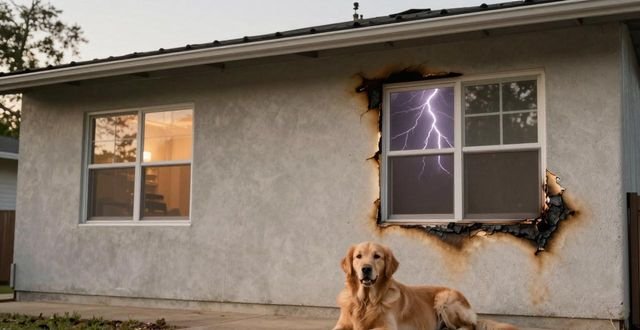
You wake up to a buzzing phone. Your tenant’s voice is shaky. A tree just punched through the roof during last night’s storm, and now rain is pouring into the living room. Welcome to being a landlord in tornado country.
Here’s the thing most new rental owners don’t realize until it’s too late: a standard landlord insurance policy is not the same as having natural peril coverage nailed down. You might look at your policy declarations page and see “dwelling protection” with a nice number next to it. But then a wildfire sweeps through the valley, or a flash flood turns the basement into an indoor pool, and suddenly you’re reading the fine print with a very different feeling in your stomach.
Let’s walk through what actually happens when nature throws a tantrum on your rental property. Wind. Fire. Hail. Freezing. Even volcanic eruption if you live in places like the Pacific Northwest. These are typically the “named perils” that many basic landlord policies include as standard. But read that word carefully – named. If the disaster isn’t listed on the paper, you might as well be asking the sky to pay for the repairs.
Take flood damage, for example. A pipe bursting is usually covered because that’s sudden and accidental. But water seeping under the door from three days of relentless rain? That’s a flood. And floods live inside a completely separate universe of insurance. You need a special flood policy through the National Flood Insurance Program or a private carrier. Your landlord insurance will smile and politely step aside. Same goes for earthquakes. Ground opens up, foundation cracks, walls shift – not a word from your standard policy unless you added that endorsement.
So why do so many experienced landlords still sleep soundly? Because they’ve learned to ask the right questions. They call their agent not once, but twice a year. They review the “exclusions” page like it’s a treasure map leading to salvation. They know that in states like California, wildfire coverage has become a whole conversation of its own, with some carriers pulling out entirely and forcing owners into the FAIR Plan – a last-resort pool that feels more like a bandaid on a broken leg.
Imagine you own a duplex near a creek in Colorado. The views are incredible, and the rent checks come in on time. Then a hundred-year storm hits on year three. The creek swells, moves fifty feet sideways, and swallows your garage. Your tenant’s car floats away. Who pays? Not your landlord policy if you skipped flood coverage. The tenant’s auto insurance might handle the car, but the garage is on you. And here’s the kicker – even if the creek was nowhere near the house, if water backs up from the city sewer because of the storm, that’s usually excluded too unless you have a specific “sewer backup” rider.
You might be thinking, “This sounds like a lot of extra bills just to feel safe.” And you wouldn’t be wrong. But let’s walk through the alternative. A rental property in Texas without windstorm coverage when a derecho rolls through. A beach condo in Florida with no hurricane deductible – and then a Cat 4 scrapes the coast. The repair numbers start at five figures and climb fast. One uninsured loss can wipe out years of profit. That’s not fearmongering; that’s just math wearing a raincoat.

The smarter move is to treat natural peril coverage like a layered cake. The base layer is your dwelling coverage for fire, lightning, wind (in most states), hail, and even snow weight. The next layer is endorsements – flood, earthquake, sewer backup, and maybe even “landslide” if you’re on a hill. Some insurers now offer a “special perils” open-peril policy that covers everything except what’s specifically excluded. That’s the golden ticket, though it costs more. Then there’s the final layer: umbrella liability, which doesn’t fix the roof but can help if a tenant gets hurt because of a storm-related hazard.
Here’s a real conversation I had with a landlord in Oregon last year. He owned a fourplex near Portland. Heavy rains caused a hillside behind the building to slowly slump. Over six months, the foundation tilted, doors stopped closing, and cracks appeared in every unit. He assumed his landlord policy would handle it because “it’s nature, right?” But the adjuster used the word “earth movement” – and that was that. Excluded. He ended up paying forty grand out of pocket to install retaining walls and underpin the foundation. He now calls me every October to double-check his endorsements.
So what do you do before the next storm season? Start with your current policy. Find the section titled “Perils Insured Against” and the section titled “Exclusions.” Read them back to back. If you see “water damage” but not “flood,” ask for a quote on flood. If you see “wind” but there’s a separate hurricane deductible listed, know that number because it’s usually a percentage of the dwelling limit, not a flat dollar amount. Then call three different carriers. Not because you’re switching today,but because the market changes fast. One company might have stopped writing new wildfire policies in your zip code, while another just entered and offers bundled earthquake coverage at half the price.
Also, don’t forget the little things that make a big difference after a disaster. Require tenants to carry renters insurance – that covers their belongings and gives them loss-of-use money if they have to move out during repairs. Keep a digital folder with photos of every room, the roof, the foundation, and even the landscaping. Update those photos every spring and fall. When a storm hits, you’ll have proof for the adjuster without hunting through old phone backups.
And here’s a truth that doesn’t get talked about enough: sometimes the best coverage is deciding not to own in high-risk zones at all. A beautiful cabin in the woods sounds romantic until fire season turns the driveway into an escape route. A beachfront cottage is a dream until the third hurricane in four years makes the math impossible. Landlord insurance can only do so much. Mother Nature writes her own rules, and she doesn’t care about your profit margins.
So back to that tree through the roof. You file a claim, the adjuster comes out, and because you have wind and hail coverage on your landlord policy, they cut a check for the tree removal and roof repair. You feel relieved. Then you notice the basement has two inches of muddy water from the same storm. You call back. The adjuster asks, “Did the water come from above, like rain through the hole in the roof?” You say yes. “Then that’s covered as part of the wind claim.” But if the water came from the ground – a flash flood field – you’d be on your own. One storm, two different outcomes. That’s the razor’s edge of natural peril coverage.
Don’t wait for the warning signs. Don’t assume because nothing has happened in five years that nothing will happen next month. The cost of adding flood or earthquake or sewer backup coverage is usually less than a single month’s rent. Compare that to paying for a new foundation out of savings. The choice becomes obvious the moment you stop hoping and start planning. Your rental property is an investment. Treat it like one. And remember – the sky doesn’t send a registered letter before it opens up.