You’ve got this charming little guest house out back. Maybe it’s a converted garage with a kitchenette, or a cozy cottage by the garden. You list it online, get a few bookings, and the extra cash feels great. Then one evening, a guest slips on the wet patio steps. Now they’re talking about medical bills. Suddenly, that “easy money” doesn’t feel so easy anymore.
That’s where landlord insurance for guest houses steps in. Not your standard homeowners policy. That shiny coverage on your main house? It usually waves goodbye the moment you take money from a guest. I’ve seen so many hosts learn this the hard way. They think, “It’s just a small space, what could go wrong?” Oh, plenty.
Let’s walk through a real Tuesday. You rent your guest house to a nice couple visiting from out of state. They decide to cook pasta. The pot boils over, water seeps into the electric stovetop,sparks fly, and a small fire damages the counter and the wall. Your regular home insurance says, “Sorry, business use. Not covered.” Now you’re out three grand for repairs, plus you lose two weeks of bookings while everything gets fixed. Landlord insurance would have handled both the fire damage and the lost rental income.
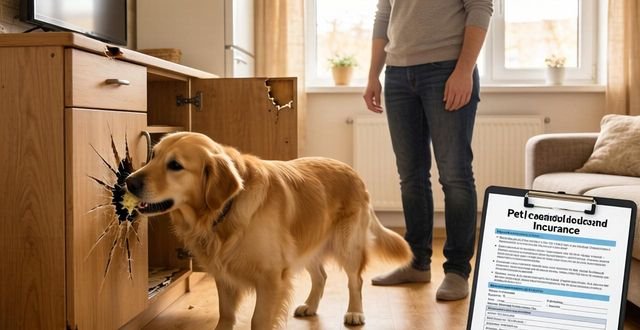
The liability piece alone is worth talking about. A guest house means strangers walking through your property. They might trip over a garden hose, get bitten by your dog on the way to their door, or hurt themselves on a loose railing. Medical payments under a landlord policy usually start around $1,000 per occurrence, but you can bump that up. Think about a bad fall that needs an ambulance and an ER visit. Five grand disappears fast. I always tell people to carry at least $300,000 in liability for a guest house. It costs maybe an extra ten bucks a month.
What about the guest’s own stuff? Say they leave a laptop on the sofa, and a pipe bursts while they’re out sightseeing. Their computer is toast. Your landlord insurance typically doesn’t cover their personal belongings. That’s on them – they should have renters or travel insurance. But here’s a pro tip: some policies let you add “contents coverage for tenant’s property” as an endorsement. It’s rare, but ask your agent. It can be a sweet selling point on your listing.
Then there’s the question of how often you rent. Are you doing weekend-only stays? Summer months only? Or is that guest house booked 300 nights a year? Most standard landlord policies have a threshold. Cross that line, and you might need a commercial dwelling policy. I’ve talked to hosts who thought they were fine at thirty nights a month – oops, that’s every night. Read the fine print. Some insurers define “frequent rental” as more than 90 days a year. Others say 180 days. Don’t guess.
A friend in Austin learned this when a guest’s candle caused smoke damage throughout the guest house. She filed a claim, and the insurer asked for her booking calendar. Turns out she’d rented 210 days last year. Her policy said 180 days max for the “preferred” rate. They denied the claim and dropped her. She had to scramble for a new policy mid-claim, which is an absolute nightmare. Don’t be her. Be upfront with your insurance company about exactly how many nights you plan to rent.

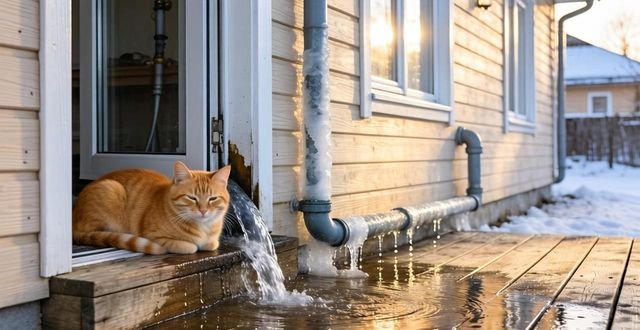
Another angle that surprises people: vacant or unbooked periods. Your guest house sits empty for three weeks in February. A pipe freezes and bursts. Nobody notices until the next guest opens the door and water pours out. Many landlord policies have a vacancy clause – usually 30 to 60 days. If the property is unoccupied longer than that, some perils aren’t covered. You’ll want to check that carefully. In some states, you can add “vacancy permit” coverage for an extra fee.
Now, what about short-term versus long-term? If you’re doing weekly vacation rentals through platforms, that’s different from a tenant who signs a six-month lease. Some insurers actually prefer the longer lease because the turnover is lower and guests treat the place more like a home. But for true short-term stays, you might need a specialized policy. There are companies now that partner with booking apps and offer per-booking coverage. It’s like a hybrid. You pay a small percentage of each rental, and they handle liability for that stay. Not a bad backup, but I still like having your own annual policy as the main shield.
Let’s talk money because that’s what everyone really wants to know. For a typical guest house worth maybe $80,000 in structure value, with $300,000 liability, and $5,000 in lost rental coverage, you’re looking at somewhere between $400 and $800 a year. That’s the ballpark for most of the U.S., outside of hurricane or wildfire zones. Compare that to one uncovered incident. A guest breaks their wrist on an uneven step. The lawsuit settles for $25,000. You see the math.
When you shop around, don’t just punch numbers into a website. Pick up the phone. Talk to an independent agent who knows guest houses. Ask them, “What’s the most common claim you see from hosts like me?” They’ll usually say slip-and-fall, then kitchen fires, then water damage from overflowing tubs or toilets. Use that intel. Then ask about “ordinance or law” coverage – if your guest house is older and a claim forces you to rebuild, local codes might require expensive upgrades like fire sprinklers. That coverage isn’t auto-included.
One last thing: keep records. Photos of the property before each guest arrives. A log of maintenance checks. Copies of your insurance declarations page. When a claim happens – and over ten years, there’s a good chance one will – you’ll want everything tidy. I keep a little folder on my phone’s notes app. Takes two minutes per booking. Saves hours of headache later.
So here’s the takeaway. That guest house can be a wonderful thing. It brings in income, meets interesting people, and makes use of space you already have. But don’t treat it like a casual hobby. Treat it like the small business it is. Get the right landlord insurance for guest houses before your next booking, not after something goes sideways. You’ll sleep better. And so will your guests.