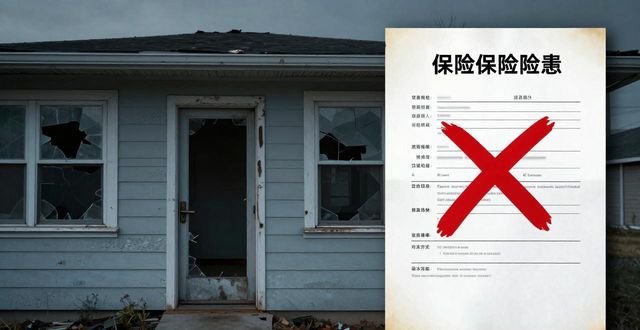
“An ounce of prevention is worth a pound of cure,” as the old saying goes. But what happens when the cure involves a shattered window and a frantic tenant’s call at midnight? That’s where the real test of your landlord insurance policy begins. You see, windows are the eyes of your property, and when they’re damaged, it’s not just glass that’s broken—it’s your peace of mind. So,how does your coverage actually work when faced with this common yet disruptive issue?
Let’s pull back the curtain. Most standard landlord insurance policies include property damage coverage. This typically protects the building itself—the walls, the roof, the floors, and yes, the windows—from covered perils. Think storms hurling a branch through the pane, a vandal’s misguided baseball, or even a burglary attempt. The key here is the cause of the damage. Sudden, accidental events? Usually covered. Wear and tear or neglect from a tenant who never reported a loose seal? That’s a different story, often falling under maintenance, not insurance.
Now, put yourself in the shoes of a new landlord. You get that call. Your first move isn’t to dial the insurance company. It’s to ensure safety, document everything with photos, and communicate with your tenant. Then, you review your policy’s declarations page. Look for the “dwelling coverage” limit and, crucially, your deductible. A $500 repair bill with a $1,000 deductible means you’re paying out-of-pocket. This is where many get a reality check. Is your deductible set at a level that makes sense for your financial cushion?
But here’s the twist many don’t see coming: tenant liability. Imagine a scenario where the damage is clearly the tenant’s fault—their child’s wild pitch during backyard practice. A robust policy with solid liability protection can be your shield. It may cover the repair costs initially, and your insurer might then seek reimbursement from the tenant or their renters’ insurance. This subrogation process is why requiring renters insurance isn’t just a suggestion; it’s a strategic layer of financial defense for you.

Consider the view from a future perspective. The insurance landscape is shifting. Some newer, tech-forward insurers now offer optional endorsements for “appliance and systems breakdown,” which can sometimes include window mechanisms. Others provide discounts for installing impact-resistant windows in storm-prone areas—a brilliant long-term play that reduces risk and premiums. The question becomes, are you insuring for the past decade’s problems or the next one’s?
We’ve all heard the tales. A landlord in the Midwest faced a hailstorm that pockmarked every window on the rental’s south side. Their policy covered it, minus the deductible, but the real lesson was in the aftermath. They used the claim process to upgrade to more energy-efficient models, subtly increasing the property’s value and tenant appeal. Another story involves a simple broken latch leading to a water leak during a freeze, causing secondary damage to the floor. The window fix was cheap; the floor repair was not. Their policy’s additional coverages for resulting damage saved them thousands. These aren’t just claims; they’re case studies in risk management.
So, where does that leave you? The relationship between landlord insurance and window damage is less about a simple transaction and more about a strategic partnership. Your policy is the safety net, but your proactive maintenance, clear lease agreements, and tenant vetting are the tightrope. Don’t just file it away. Understand it. Talk to your agent about specific scenarios. Review it annually. Because when that unexpected crack or crash comes, you won’t be wondering “what if”—you’ll know exactly what to do.
In the end, as another bit of wisdom reminds us, “Forewarned is forearmed.” Knowing how your insurance responds to a broken window transforms you from a reactive property owner into a prepared, professional landlord. It turns a potential headache into a managed process, protecting both your investment and your sanity. That’s the clear view every landlord deserves.