
Introduction: Why This Question Matters for Property Owners
Many first-time and even experienced rental property owners ask the same critical question: Do I need landlord insurance for a rental property? While the short answer is “yes” in most cases, the deeper explanation involves legal obligations, financial exposure, and long-term risk management.
Owning a rental property is fundamentally different from owning a primary residence. Tenants, income streams, and legal liabilities introduce unique risks that standard insurance policies are not designed to handle. This article explains when landlord insurance is necessary, what risks it addresses, and why it is considered a foundational element of responsible rental ownership in the United States.
What Is Landlord Insurance?
Landlord insurance is a specialized form of property insurance designed specifically for income-generating residential properties. It protects the landlord—not the tenant—and focuses on risks tied to rental activity.
Core Purpose of Landlord Insurance
-
Protects the physical structure of the rental property
-
Provides liability coverage for tenant and third-party injuries
-
Covers lost rental income after covered damages
-
Addresses landlord-specific risks not covered by homeowners insurance
Unlike homeowners insurance, landlord insurance assumes the property is occupied by tenants rather than the owner.
Do I Need Landlord Insurance for a Rental Property?
In most situations, the answer is yes—even when it is not legally mandated by state law.
When Landlord Insurance Is Strongly Required
-
The property is rented to long-term tenants
-
Rental income is part of financial planning or mortgage approval
-
The landlord faces potential liability exposure
-
The property is not owner-occupied
Without landlord insurance, property owners often face significant coverage gaps.
Legal and Contractual Requirements
While few states explicitly mandate landlord insurance, legal and contractual obligations often make it unavoidable.
Mortgage and Lender Requirements
Most mortgage lenders require insurance coverage consistent with rental use. Standard homeowners insurance typically violates loan terms once a property becomes tenant-occupied.
Lease Agreements and Liability
Lease contracts often assume the landlord maintains adequate insurance. Failure to do so may increase legal exposure in tenant disputes or injury claims.
Financial Risks of Operating Without Landlord Insurance
Operating a rental property without landlord insurance exposes owners to potentially catastrophic losses.
1. Property Damage Losses
Rental properties face higher risks of:
-
Accidental damage
-
Fire or water damage
-
Vandalism
Without proper coverage, repair costs must be paid entirely out of pocket.
2. Liability Lawsuits
Landlords may be held legally responsible for:
-
Unsafe stairways or railings
-
Slip-and-fall accidents
-
Poor property maintenance
Liability claims can exceed hundreds of thousands of dollars.
3. Loss of Rental Income
If a rental unit becomes uninhabitable due to covered damage, lost rental income can quickly compound financial strain.
Why Homeowners Insurance Is Not Enough
Some landlords attempt to rely on homeowners insurance, unaware of the risks.
Key Coverage Gaps
-
Claims denied due to tenant occupancy
-
Limited or no rental income protection
-
Insufficient liability coverage for tenants
Once a property is rented, homeowners insurance is typically invalid or severely restricted.
Situations Where Landlord Insurance Is Especially Critical
Certain scenarios make landlord insurance non-negotiable.
High-Risk Situations Include:
-
Multi-unit rental properties
-
Properties with frequent tenant turnover
-
Older buildings requiring ongoing maintenance
-
Rentals in high-litigation states
These factors increase both the likelihood and severity of claims.
Short-Term vs Long-Term Rentals
Rental type influences insurance needs.
Long-Term Rentals
Traditional landlord insurance policies are designed for long-term leases and predictable occupancy.
Short-Term Rentals
Short-term rentals may require specialized endorsements or separate policies due to higher turnover and liability exposure.
How Much Coverage Is Enough?
Determining adequate coverage levels is a critical decision.
General Coverage Guidelines
-
Dwelling coverage at full replacement cost
-
Liability coverage of at least $500,000
-
Rental income coverage equal to 6–12 months of rent
Higher-value properties may require additional umbrella coverage.
Cost vs Risk: Is Landlord Insurance Worth It?
Many landlords hesitate due to cost concerns, but the risk-reward balance strongly favors coverage.
Cost Perspective
Annual premiums are modest compared to:
-
Lawsuit settlements
-
Major property repairs
-
Extended vacancy losses
Landlord insurance functions as a financial safety net rather than an expense.
Common Myths About Landlord Insurance
Myth 1: “My Tenant’s Renters Insurance Covers Everything”
Renters insurance protects tenants’ personal belongings, not the landlord’s property or liability.
Myth 2: “The Property Is Low Risk”
Even well-maintained properties face unpredictable events such as fires or lawsuits.
Myth 3: “I Can Add It Later”
Claims often occur early in tenancy. Delayed coverage creates unnecessary exposure.
How Landlord Insurance Supports Long-Term Investment Success
Rental properties are long-term investments that benefit from risk management.
Strategic Benefits Include:
-
Predictable cash flow
-
Protection against catastrophic loss
-
Improved lender and investor confidence
Insurance enables sustainable portfolio growth.
When Might Landlord Insurance Not Be Required?
In rare cases, landlord insurance may not be necessary.
Limited Exceptions
-
Owner-occupied duplexes with minimal rental activity
-
Temporary rentals with separate coverage riders
Even in these cases, professional advice is recommended.
Professional Guidance and Policy Selection
Choosing the right landlord insurance policy requires careful evaluation.
Why Professional Advice Helps
-
Identifies coverage gaps
-
Ensures compliance with lender requirements
-
Aligns coverage with rental strategy
Insurance professionals experienced in landlord policies add significant value.
Conclusion: Do You Need Landlord Insurance for a Rental Property?
For most U.S. property owners, the answer is unequivocally yes. Landlord insurance protects against financial loss, legal liability, and income disruption—risks inherent to rental property ownership.
Landlord Insurance is not just a safeguard; it is a strategic tool that supports long-term investment stability and peace of mind. Whether you own a single rental home or manage a growing portfolio, adequate landlord insurance is a foundational requirement for responsible ownership.
Related Posts
Landlord Insurance Requirements by State: Legal Rules Every U.S. Property Owner Must Follow
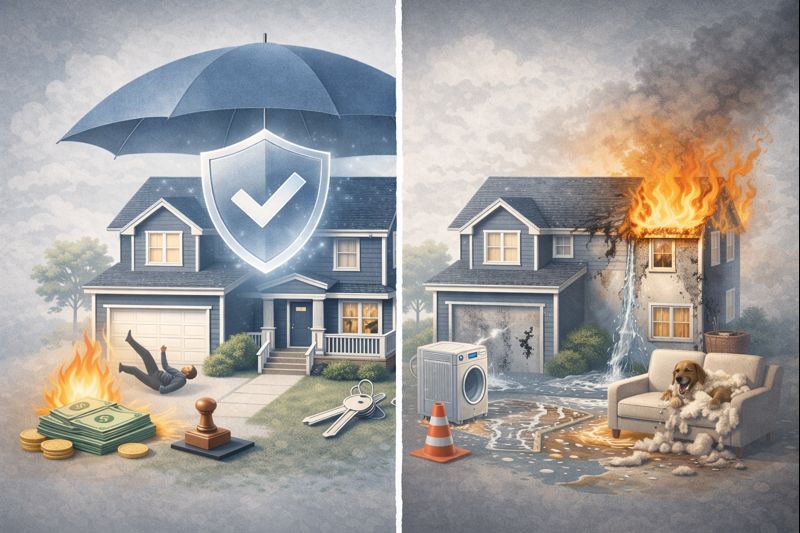
[caption id="attachment_73" align="alignnone" width="300"] Visual explanation of what landlord insurance…

Landlord Insurance Coverage for Rental Property: What Every U.S. Landlord Should Know
[caption id="attachment_64" align="alignnone" width="300"] Visual concept of landlord insurance coverage…
Landlord Insurance Requirements in the United States: State Laws, Lender Rules & Compliance Guide
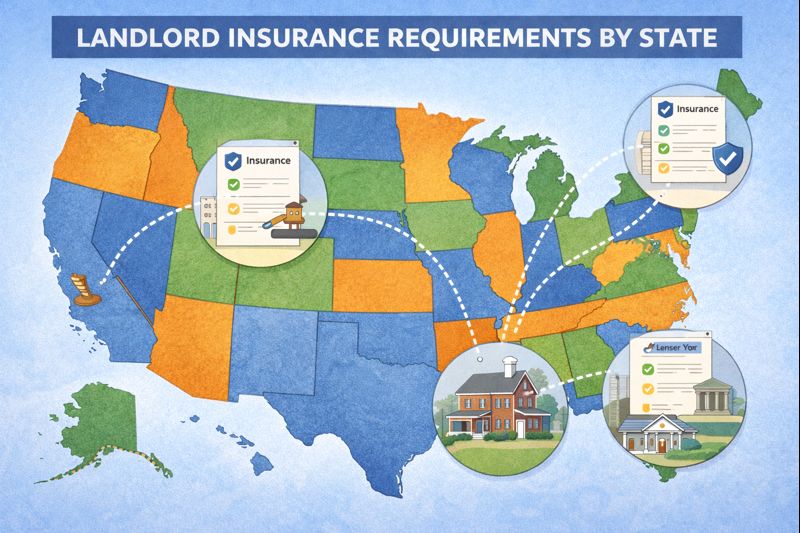
[caption id="attachment_107" align="alignnone" width="300"] Overview of how landlord insurance requirements…