
Introduction: Monthly Cost Is the First Question Most Landlords Ask
When evaluating rental property expenses, landlords often think in monthly terms. Mortgage payments, property taxes, maintenance, and utilities are typically budgeted month by month—so it is natural to ask: how much is landlord insurance per month?
Understanding the monthly cost of Landlord Insurance allows property owners to plan cash flow accurately, avoid unexpected premium increases, and compare policies on an apples-to-apples basis. While insurance is usually quoted annually, breaking the cost down monthly provides clarity, especially for new landlords or investors managing multiple properties.
This guide explains average monthly landlord insurance costs, what affects them, and how landlords can estimate and manage insurance expenses effectively.
What Is the Average Monthly Cost of Landlord Insurance?
On average, landlord insurance costs between $100 and $200 per month for a standard single-family rental property in the United States. This translates to approximately $1,200 to $2,400 per year, depending on coverage levels and risk factors.
However, monthly costs can fall outside this range based on:
-
Property location
-
Type of rental
-
Coverage limits
-
Payment method
For landlords with multiple properties or higher-risk rentals, monthly premiums may exceed $250 per property.
Why Landlord Insurance Is Usually Quoted Annually
Although landlords commonly ask how much landlord insurance is per month, insurers traditionally price policies on an annual basis.
Reasons for Annual Pricing
-
Insurance risk is assessed yearly
-
Claims and underwriting are based on annual exposure
-
Annual payments reduce administrative costs
That said, many insurers offer monthly payment plans, allowing landlords to spread premiums over time, often with a small financing fee.
Monthly Cost vs Annual Premium: What’s the Difference?
Understanding the difference between monthly and annual pricing helps landlords choose the best payment option.
Annual Payment
-
Typically lower total cost
-
No installment or financing fees
-
Requires upfront cash
Monthly Payment
-
Easier cash flow management
-
Slightly higher total cost
-
Often includes service or financing fees
For landlords prioritizing cash flow flexibility, monthly payments can be a practical option despite the higher overall cost.
Monthly Landlord Insurance Cost by Property Type
Different rental properties come with different risk profiles, which directly affect monthly insurance costs.
Single-Family Rental Homes
-
Average monthly cost: $100–$160
-
Lower liability exposure
-
Fewer tenants
Duplexes and Small Multi-Unit Properties
-
Average monthly cost: $150–$250
-
Increased liability risk
-
Higher replacement costs
Short-Term or Vacation Rentals
-
Average monthly cost: $200–$300+
-
Frequent tenant turnover
-
Higher claim probability
Landlords operating short-term rentals often require specialized landlord insurance policies, which cost more on a monthly basis.
What Does a Typical Monthly Landlord Insurance Premium Include?
To understand how much landlord insurance is per month, it’s important to know what that monthly payment actually covers.
Standard Coverage Components
-
Dwelling (structure) coverage
-
Landlord liability protection
-
Loss of rental income coverage
-
Other structures coverage
Optional endorsements, such as vandalism or ordinance coverage, increase the monthly premium but provide added protection.
Key Factors That Influence Monthly Landlord Insurance Cost
Monthly landlord insurance premiums are calculated using the same factors as annual pricing but expressed over time.
1. Location and Risk Exposure
Properties located in areas prone to:
-
Hurricanes
-
Wildfires
-
Flooding
-
High crime rates
tend to have higher monthly insurance costs.
2. Coverage Limits and Deductibles
Higher dwelling and liability limits increase premiums, while higher deductibles lower monthly costs.
Choosing deductibles requires balance—lower premiums should not come at the cost of excessive out-of-pocket expenses during a claim.
3. Property Age and Construction
Older buildings often cost more to insure monthly due to:
-
Outdated electrical or plumbing systems
-
Higher maintenance risks
-
Increased probability of claims
Newer properties with modern safety features may qualify for lower premiums.
4. Claims History
Landlords with prior insurance claims may experience higher monthly premiums. A clean claims history often leads to more favorable pricing.
Monthly Cost Examples: Low-Risk vs High-Risk Rentals
Low-Risk Example
-
Single-family home
-
Suburban location
-
Long-term tenant
-
Modern construction
Estimated monthly landlord insurance cost: $110–$130
Higher-Risk Example
-
Multi-unit property
-
Urban location
-
Older building
-
Prior claims history
Estimated monthly landlord insurance cost: $220–$280
These examples illustrate how risk factors directly affect monthly insurance expenses.
Is Monthly Payment Worth the Extra Cost?
Monthly payment plans are attractive for many landlords, especially those managing multiple expenses. However, landlords should consider the trade-offs.
Pros of Monthly Payments
-
Improved cash flow management
-
Lower upfront cost
-
Easier budgeting
Cons of Monthly Payments
-
Higher total premium
-
Possible service or installment fees
For landlords with sufficient liquidity, annual payments may offer better long-term value.
How to Estimate Your Monthly Landlord Insurance Cost
Landlords can estimate monthly insurance costs by following a simple process:
-
Determine property replacement value
-
Decide on liability coverage limits
-
Add optional endorsements
-
Request multiple landlord insurance quotes
-
Divide annual premium by 12
Online quote tools can provide rough estimates, but final pricing depends on underwriting.
How to Reduce Monthly Landlord Insurance Costs
Reducing monthly landlord insurance expenses does not mean sacrificing protection.
Practical Cost-Saving Strategies
-
Increase deductibles responsibly
-
Bundle landlord insurance with other policies
-
Install safety and security features
-
Maintain properties proactively
-
Compare quotes annually
Long-term maintenance and risk mitigation often lead to lower premiums over time.
Monthly Cost vs Long-Term Risk Management
Landlords should view insurance as part of a long-term risk strategy rather than a monthly expense alone. Underinsuring to save money can result in devastating financial losses.
A properly structured Landlord Insurance policy provides stability, protects income, and ensures compliance with lender and legal requirements.
Conclusion: Planning Monthly Expenses with Confidence
So, how much is landlord insurance per month? For most U.S. landlords, the answer falls between $100 and $200, but individual circumstances can shift this figure significantly.
By understanding what influences monthly premiums, choosing appropriate payment options, and maintaining adequate coverage, landlords can confidently incorporate insurance costs into their monthly budgets.
Ultimately, Landlord Insurance is not just a cost—it is a financial safeguard that protects rental income, assets, and long-term investment goals.
Related Posts
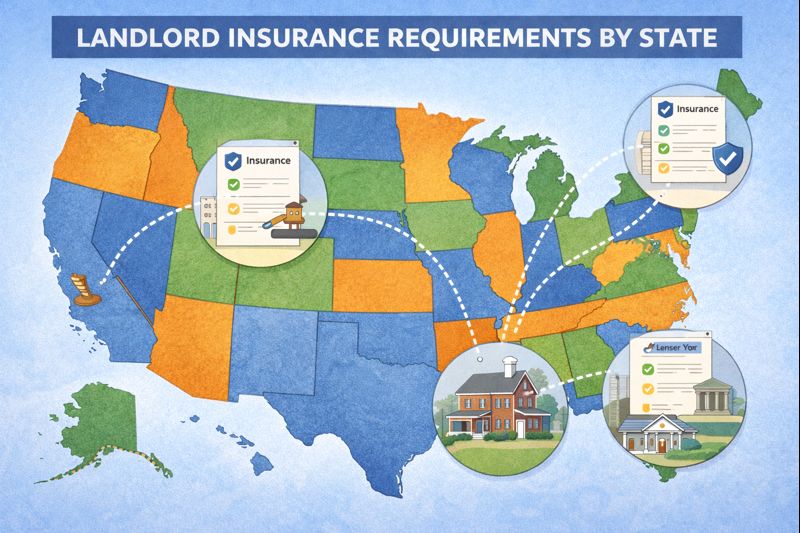
Landlord Insurance Requirements in the United States: State Laws, Lender Rules & Compliance Guide
[caption id="attachment_107" align="alignnone" width="300"] Overview of how landlord insurance requirements…

Landlord Insurance Coverage for Rental Property: What Every U.S. Landlord Should Know
[caption id="attachment_64" align="alignnone" width="300"] Visual concept of landlord insurance coverage…

Best Landlord Insurance for Rental Homes in the US: Coverage, Cost & Provider Comparison
[caption id="attachment_79" align="alignnone" width="300"] Visual concept representing premium landlord insurance…