
Introduction: Why Landlord Insurance Coverage Matters
Owning rental property in the United States can be a profitable long-term investment, but it also exposes property owners to significant financial and legal risks. Property damage, tenant injuries, lawsuits, loss of rental income, and natural disasters can quickly turn a stable rental business into a financial burden. This is where Landlord Insurance becomes essential.
Unlike standard homeowners insurance, landlord insurance coverage for rental property is specifically designed to protect property owners who rent out residential or multi-unit properties. Understanding what landlord insurance covers, how it works, and where coverage gaps may exist is critical for protecting both your assets and your income.
This guide provides a comprehensive explanation of landlord insurance coverage, helping U.S. landlords make informed decisions based on risk, property type, and legal responsibility.
What Is Landlord Insurance?
Landlord Insurance is a specialized property insurance policy designed for owners who lease residential properties to tenants. It provides protection against physical damage to the rental structure, liability claims, and income loss resulting from covered events.
While homeowners insurance is intended for owner-occupied residences, landlord insurance accounts for the increased risks associated with tenants, rental income dependency, and landlord liability exposure.
Landlord insurance policies are commonly used for:
-
Single-family rental homes
-
Duplexes and multi-unit residential buildings
-
Condos rented to tenants
-
Small apartment buildings
Core Landlord Insurance Coverage for Rental Property
A standard landlord insurance policy typically includes several foundational coverage components. Each plays a distinct role in protecting rental property owners.
1. Dwelling Coverage (Property Structure Protection)
Dwelling coverage is the foundation of landlord insurance coverage for rental property. It protects the physical structure of the building against damage caused by covered perils such as:
-
Fire and smoke
-
Windstorms and hail
-
Lightning
-
Vandalism or malicious damage
-
Explosions
-
Certain types of water damage
This coverage applies to the main building as well as permanently attached structures such as garages, decks, or porches.
Why it matters:
Rental properties often experience higher wear and risk than owner-occupied homes. Dwelling coverage ensures that costly repairs or rebuilds do not fall entirely on the landlord.
2. Other Structures Coverage
If your rental property includes detached structures—such as fences, sheds, or detached garages—other structures coverage helps pay for repairs or replacement after a covered loss.
This coverage is typically a percentage of the dwelling limit, though higher limits can often be purchased.
3. Personal Property Coverage (Landlord-Owned Items)
Landlord insurance does not cover tenant belongings. However, it can protect items owned by the landlord that are used to maintain or operate the rental property, including:
-
Appliances (refrigerators, stoves, washers)
-
Furnishings in furnished rentals
-
Maintenance equipment
This coverage is especially important for furnished rental units or short-term rental properties.
Landlord Liability Insurance Explained
One of the most valuable components of Landlord Insurance is liability coverage.
What Does Liability Coverage Protect Against?
Landlord liability insurance helps cover legal expenses, medical costs, and settlements if a tenant, guest, or third party is injured on your rental property and holds you responsible.
Common liability scenarios include:
-
A tenant slips on icy stairs
-
A visitor is injured due to faulty wiring
-
A child is hurt by unsafe property conditions
Why Liability Coverage Is Essential
Rental property owners face higher liability exposure than homeowners. Courts often hold landlords responsible for maintaining safe living conditions, making liability coverage a critical financial safeguard.
Most policies start with at least $300,000 in liability coverage, though many landlords choose $1 million or more through umbrella policies.
Loss of Rental Income Coverage
Loss of rental income coverage—also known as fair rental value coverage—helps replace lost income if your property becomes uninhabitable due to a covered loss.
For example:
-
A fire forces tenants to move out during repairs
-
Severe storm damage makes the unit unsafe
In these cases, landlord insurance may reimburse lost rental income for a defined period, allowing landlords to continue meeting mortgage and operating expenses.
Optional Landlord Insurance Add-Ons
While standard landlord insurance policies provide broad protection, many landlords enhance coverage through optional endorsements.
Common Add-Ons Include:
-
Vandalism Coverage – Important for vacant or high-turnover properties
-
Burglary and Theft – Covers landlord-owned items stolen from the property
-
Building Code Coverage – Helps pay for upgrades required by updated building codes after repairs
-
Flood or Earthquake Insurance – Typically excluded from standard policies
Selecting add-ons depends on property location, tenant profile, and risk tolerance.
Coverage Differences by Rental Property Type
Landlord insurance coverage for rental property can vary depending on the type of rental you own.
Single-Family Rentals
-
Lower overall risk profile
-
Easier underwriting
-
Typically lower premiums
Multi-Unit Properties
-
Higher liability exposure
-
Increased property damage risk
-
Often require higher coverage limits
Short-Term or Vacation Rentals
-
Higher turnover
-
Increased wear and tear
-
May require specialty landlord policies
Understanding how your rental type affects coverage ensures you are not underinsured.
Common Coverage Gaps Landlords Overlook
Despite having landlord insurance, many property owners remain exposed due to overlooked gaps.
Common Gaps Include:
-
No flood or earthquake coverage
-
Insufficient liability limits
-
No coverage during vacancy periods
-
Underinsured dwelling replacement costs
Conducting regular policy reviews helps ensure coverage remains aligned with property value and risk exposure.
How to Choose the Right Coverage Limits
Choosing appropriate coverage limits is essential for effective landlord insurance protection.
Best Practices:
-
Insure the dwelling at full replacement cost, not market value
-
Match liability limits to asset exposure
-
Consider umbrella insurance for additional protection
-
Review coverage annually or after major renovations
Working with insurers experienced in Landlord Insurance can help tailor policies to your specific needs.
Related Posts
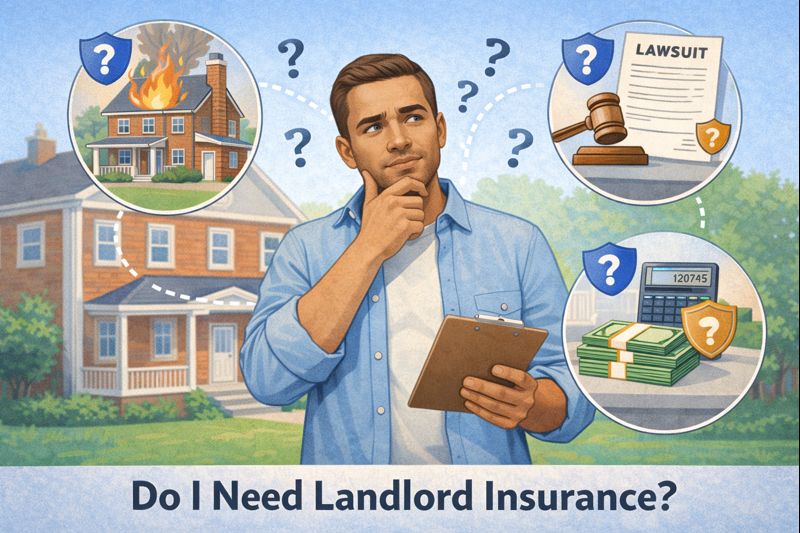
Do I Need Landlord Insurance for a Rental Property? Legal, Financial & Risk-Based Guidance
[caption id="attachment_82" align="alignnone" width="300"] A visual guide helping new landlords…
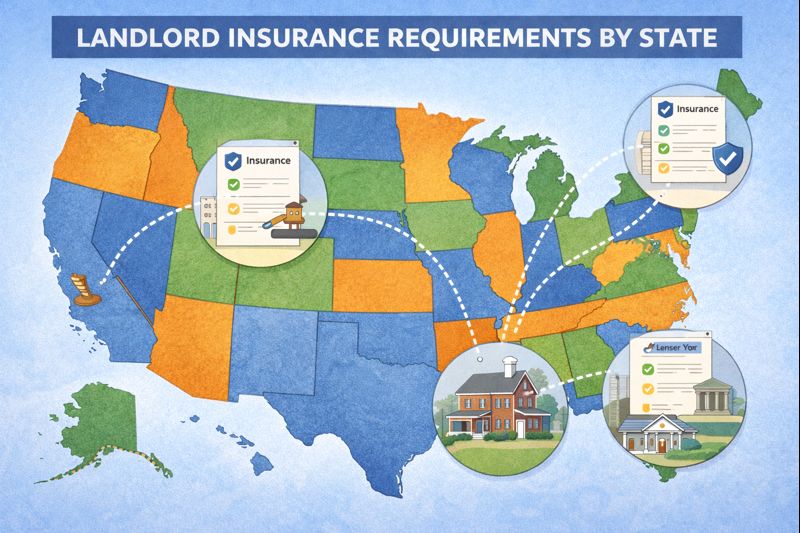
Landlord Insurance Requirements in the United States: State Laws, Lender Rules & Compliance Guide
[caption id="attachment_107" align="alignnone" width="300"] Overview of how landlord insurance requirements…
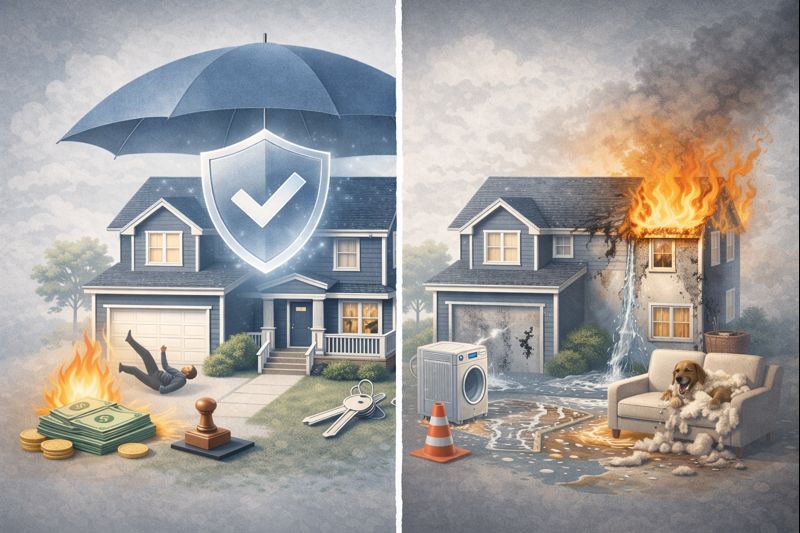
Landlord Insurance Requirements by State: Legal Rules Every U.S. Property Owner Must Follow
[caption id="attachment_73" align="alignnone" width="300"] Visual explanation of what landlord insurance…